

The Future of CRM: Important Trends and Innovations to Follow
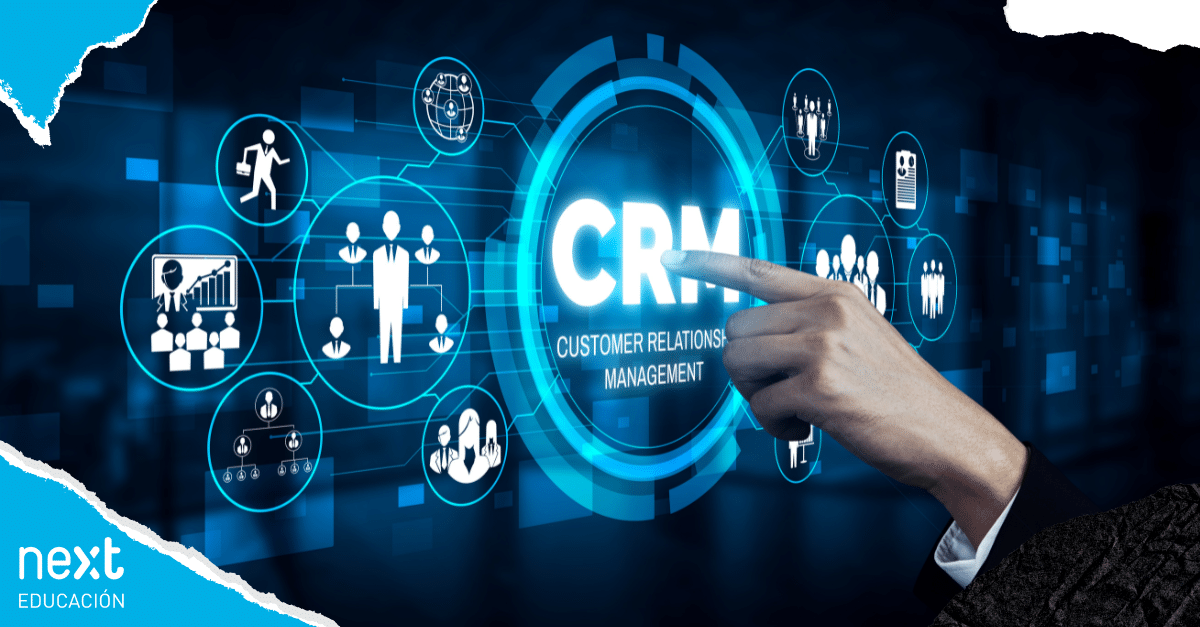
CRM concept illustration. Idea of business and technology.
Customer Relationship Management (CRM) systems have changed significantly over the years.
From basic contact management software to advanced platforms that combine marketing, sales, customer support, and analytics, CRM systems have become an essential part of modern business operations.
As technology continues to improve, the future of CRM offers even more opportunities for innovation, changing the way companies interact with customers and manage business relationships.
In this article, we will explore the latest trends and innovations expected to shape the future of CRM. From AI-powered automation to stronger data protection, these developments are expected to transform customer management and help businesses gain a competitive advantage.
1. Artificial Intelligence and Machine Learning
One of the biggest trends influencing the future of CRM is the use of Artificial Intelligence (AI) and Machine Learning (ML). These technologies are expected to transform how CRM platforms operate by automating repetitive tasks, predicting customer actions, and delivering useful business insights.
Main Applications of AI and ML in CRM:
- Predictive Analytics: AI technology can analyze customer information to predict future behaviors, including purchasing habits and customer retention rates. This allows businesses to take proactive actions to improve customer loyalty and increase revenue.
- Chatbots and Virtual Assistants: AI-powered chatbots can respond to customer questions, schedule meetings, and solve problems 24/7. These tools reduce manual work and improve customer satisfaction by offering instant support.
- Personalization at Scale: Machine learning tools can evaluate customer preferences and behaviors to deliver highly personalized experiences, including product recommendations and targeted marketing campaigns.
The Impact:
As AI and ML become more integrated into CRM platforms, businesses can expect higher automation levels, improved customer experiences, and more efficient sales and marketing operations.
2. Cloud-Based CRM: Greater Flexibility and Scalability
Cloud-based CRM systems have already become very popular in recent years, and their importance will continue growing in the future. Cloud technology gives businesses the flexibility and scalability needed to adapt to changing demands, especially in today’s remote and mobile-focused work environment.
Benefits of Cloud-Based CRM:
- Access from Anywhere: Cloud CRM systems allow employees to access customer information from any device connected to the internet, improving collaboration and customer service from any location.
- Cost Efficiency: Cloud-based platforms usually operate through subscription plans, reducing the high upfront costs associated with traditional on-premise systems. Businesses can also scale their CRM usage based on their needs.
- Automatic Updates and Security: Cloud CRM providers regularly update their systems with new features and security improvements, helping reduce downtime and improve system performance.
The Impact:
Cloud technology will continue to dominate the CRM industry by offering businesses greater flexibility and the ability to expand their systems as they grow.
Integration with Other Business Systems
Main Benefits of CRM Integration:
- Unified Customer View: Integrating CRM systems with other business platforms allows companies to maintain a complete 360-degree view of the customer and track interactions across multiple channels.
- Streamlined Processes: Automated data sharing between systems removes the need for manual data entry, reducing errors and improving operational efficiency.
- Better Customer Experience: Integrated systems help businesses deliver a more personalized and consistent customer experience because customer data is available across marketing, sales, and support teams.
The Impact:
Greater CRM integration will improve operational efficiency, support better decision-making, and strengthen customer service.
4. Advanced Data Analytics and Reporting
Data has always played an important role in CRM systems, but as businesses collect more information from multiple sources, advanced analytics and reporting tools are becoming even more valuable. These features allow companies to analyze customer behavior, identify opportunities, and uncover trends more effectively.
Main Features of CRM Data Analytics:
- Real-Time Reporting: Modern CRM platforms provide real-time insights, helping businesses track performance, identify challenges, and make quick decisions.
- Segmentation and Targeting: Businesses can use analytics tools to segment customers according to demographics, buying habits, and engagement levels, leading to more targeted marketing campaigns.
- Performance Tracking: Analytics features help businesses monitor KPIs, evaluate team performance, and measure the effectiveness of marketing and sales strategies.
The Impact:
The future of CRM will involve deeper use of data analytics to improve customer understanding and create more effective marketing efforts.
Automation in CRM Workflows
CRM systems will continue evolving by adding more advanced automation tools that help businesses simplify operations and reduce manual tasks. Workflow automation helps companies save time and improve productivity by automating repetitive activities such as follow-up emails, lead nurturing, and customer surveys.
Main Benefits of CRM Automation:
- Time Savings: Automating routine activities allows employees to focus on more valuable tasks such as customer engagement and closing sales.
- Consistency and Accuracy: Automated workflows ensure tasks are completed correctly and consistently, reducing the possibility of human error
- Better Lead Management: Automation tools help businesses manage leads more efficiently by ensuring timely follow-ups and proper lead nurturing throughout the sales process.
The Impact:
Adding more automation capabilities to CRM systems will help businesses reduce operational costs, save time, and improve customer service consistency.
6. Mobile CRM: Customer Management on the Go
With the growth of mobile work environments, mobile CRM solutions are becoming more important than ever. Mobile CRM platforms allow sales representatives, customer service teams, and managers to access customer information and manage tasks while working remotely.
Main Features of Mobile CRM:
- Mobile Access to Customer Data: Sales teams and support agents can review customer histories, update records, and access important information directly from their mobile devices.
- Task Management: Mobile CRM systems allow users to manage appointments, organize tasks, and create reminders using smartphones or tablets.
- Offline Features: Many mobile CRM platforms provide offline functionality, allowing users to continue working without an active internet connection.
The Impact:
As mobile technology continues to grow, businesses will rely more heavily on mobile CRM systems to improve team productivity and customer service from any location.
Conclusion
The future of CRM offers exciting opportunities for businesses across every industry. From AI-powered insights to cloud-based flexibility, advanced analytics, and mobile accessibility, CRM systems are expected to become smarter, more efficient, and more essential to daily business operations.
As technology continues to evolve, companies that adopt these trends and innovations will gain a competitive advantage, helping them build stronger customer relationships, increase growth, and adapt successfully to changing market conditions.