
CRM Software Trends in Miami: Why More Businesses Are Embracing These Solutions
Introduction
Miami’s business landscape continues to evolve rapidly, with companies constantly searching for better ways to manage customer relationships and improve performance. Customer Relationship Management (CRM) software has become a key solution for organizations that want to stay competitive, improve efficiency, and support long-term growth. In a city known for its diverse economy and fast-paced environment, businesses are increasingly turning to CRM systems to gain an advantage. This article explores the latest CRM software trends in Miami and explains why more companies are adopting these tools in 2024.
Understanding CRM Software
What is CRM Software?
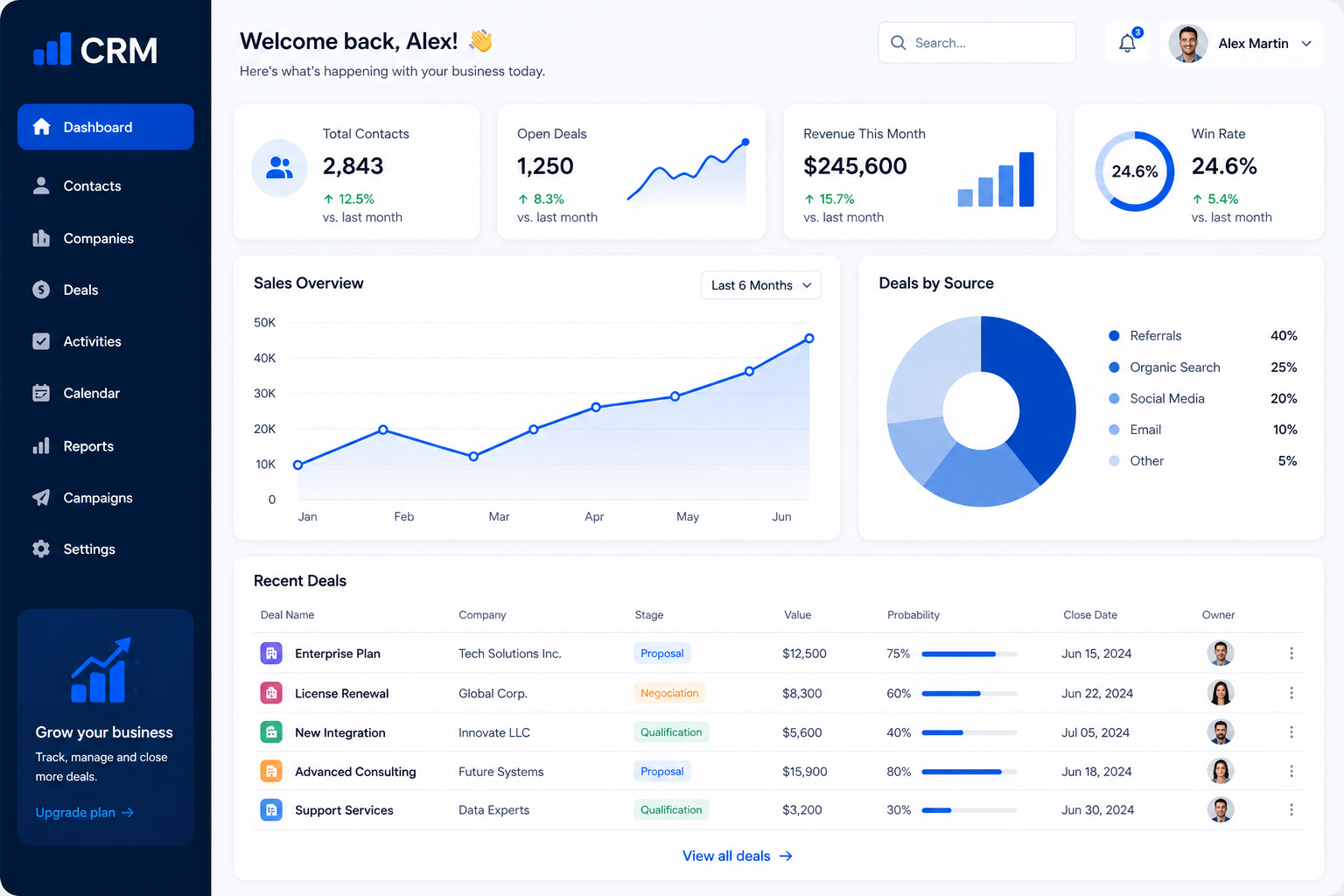
Customer Relationship Management (CRM) software is a digital platform that helps businesses organize and manage their interactions with customers and potential clients. It centralizes important data, tracks communication, and provides valuable insights into customer behavior. By using CRM systems, companies can improve service quality, increase sales opportunities, and build stronger long-term relationships with their audience.
Importance of CRM in Business Growth
For businesses operating in Miami, effective customer relationship management plays a critical role in success. A well-implemented CRM system allows organizations to enhance engagement by delivering more personalized experiences based on customer data. It also improves sales processes by organizing activities and tracking performance more efficiently. Additionally, CRM tools increase overall productivity by automating repetitive tasks and improving collaboration between teams.
Current Trends in CRM Software
1. Integration of Artificial Intelligence (AI)
One of the most important developments in CRM technology is the integration of artificial intelligence. AI enhances CRM platforms by offering predictive insights, automating routine tasks, and analyzing customer behavior more accurately.
Benefits of AI in CRM
Artificial intelligence enables predictive analytics by processing large amounts of data to anticipate future trends. It also supports automation by handling repetitive processes such as data entry and follow-up reminders. Furthermore, AI allows businesses to create more personalized customer experiences by understanding preferences and behavior patterns.
2. Mobile CRM Solutions
With the growing popularity of remote work and mobile technology, mobile CRM solutions have become essential for modern businesses. These tools allow teams to access customer data anytime and from anywhere, improving responsiveness and flexibility.
Advantages of Mobile CRM
Mobile CRM systems provide easy access to important information regardless of location. They also ensure real-time updates, so all team members always have the most current data. In addition, these tools boost productivity by allowing employees to manage tasks efficiently while working on the move.
3. Social Media Integration
As social media continues to influence how businesses interact with customers, integrating these platforms into CRM systems has become increasingly important. This connection allows companies to track conversations and better understand customer sentiment.
Benefits of Social Media Integration
Combining social media data with traditional CRM information helps create more detailed customer profiles. Businesses can also respond to messages and comments directly through their CRM platform. Additionally, analyzing social interactions allows companies to improve their marketing strategies using real-time insights.
4. Enhanced Data Security
With growing concerns about privacy and data protection, businesses are placing greater emphasis on security features within CRM systems. This is especially important for organizations that handle sensitive customer information.
Key Security Features
Modern CRM platforms include data encryption to protect information from unauthorized access. They also use secure authentication methods to ensure only approved users can access the system. Regular security updates and audits help identify vulnerabilities and strengthen overall protection.
5. Advanced Reporting and Analytics
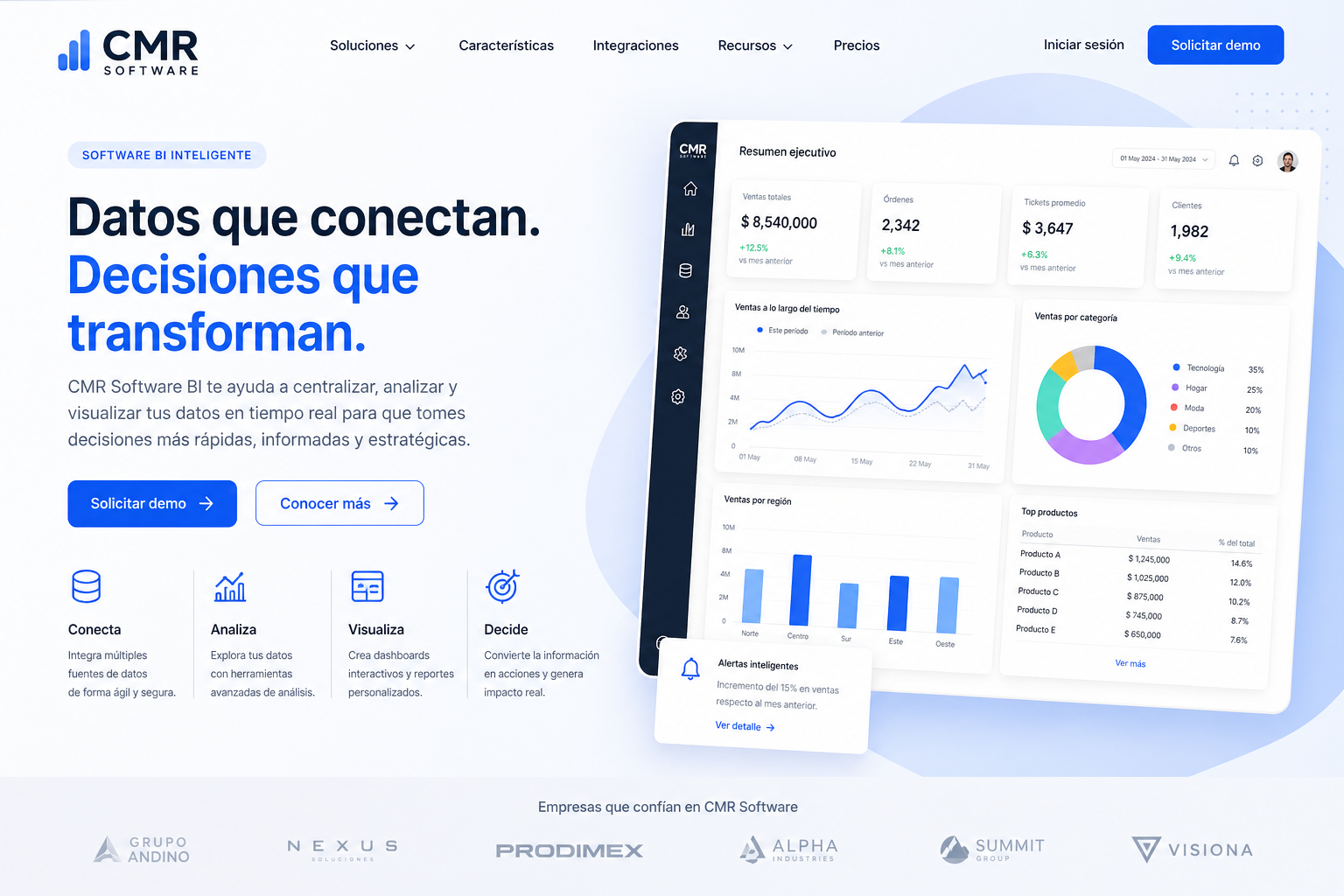
Today’s CRM systems include powerful analytics and reporting tools that provide insights into sales performance and customer behavior. These features allow businesses to make informed decisions based on accurate data.
Benefits of Advanced Analytics
Companies can track performance using key metrics to evaluate their effectiveness. They can also gain a deeper understanding of customer behavior patterns. In addition, forecasting tools help predict future trends based on past data.
Why Miami Businesses Are Adopting CRM Software
1. Competitive Advantage
In a competitive market like Miami, having an effective CRM system gives businesses a significant advantage. Companies can better understand customer needs and adjust their strategies accordingly.
Staying Ahead of Competitors
Businesses can deliver more personalized services that connect with customers. They can also engage proactively by anticipating customer needs. Faster response times further improve customer satisfaction and loyalty.
2. Scalability
HAs companies grow, their systems must adapt to new demands. CRM software offers flexibility that allows businesses to expand without major disruptions.
Benefits of Scalable Solutions
Organizations can add new features or upgrade their plans as needed. They can also support more users without affecting performance. Integration with other tools becomes easier as the business evolves.
3. Enhanced Customer Experience
Providing a strong customer experience is essential for long-term success. CRM systems help businesses deliver consistent and personalized service across all communication channels.
Key Components of Customer Experience Enhancement
Businesses can offer support across multiple channels, including email, phone, and social media. They can also collect and analyze feedback to improve products and services. Loyalty programs based on customer data encourage repeat business.
4. Improved Collaboration Among Teams
CRM systems improve communication and coordination between departments. This leads to a more unified approach to managing customer relationships.
Benefits of Enhanced Collaboration
Teams can easily access shared information, ensuring everyone stays aligned. Departments such as sales, marketing, and support can work together more effectively. Improved coordination results in more efficient processes.
Best Practices for Implementing CRM Software
1. Define Clear Objectives
Before implementing a CRM system, businesses should clearly define their goals. This helps guide the process and ensures better results.
Key Questions to Consider
Companies should determine what outcomes they expect from the system. They should also define how success will be measured. Identifying necessary resources is another important step.
2. Involve Key Stakeholders
Including team members from different departments ensures the CRM system meets real business needs. Collaboration during implementation improves overall effectiveness.
Importance of Stakeholder Engagement
Cross-department involvement encourages better communication. It also increases commitment from teams and improves adoption rates.
3. Provide Comprehensive Training
Training employees is essential for successful CRM adoption. Proper guidance ensures users understand how to use the system effectively.
Training Topics to Cover
Employees should learn system navigation, data entry practices, campaign management, and how to interpret reports and analytics.
4. Monitor Performance Metrics
After implementation, businesses should regularly track performance indicators. This helps identify areas for improvement and measure success.
Key Metrics to Track
Important metrics include conversion rates, customer satisfaction scores, sales performance, and response times.
Conclusion
CRM software is transforming how businesses in Miami manage customer relationships and drive growth. Trends such as artificial intelligence, mobile accessibility, social media integration, enhanced security, and advanced analytics are leading this transformation. By adopting these tools effectively, companies can improve operations and deliver better customer experiences that build long-term loyalty. As competition continues to grow in Miami’s business environment, using a strong CRM system is essential for maintaining an advantage. By setting clear goals, involving teams, providing training, and monitoring performance, businesses can maximize the value of their CRM investment.